


Arkansas Immunization Rates
Immunization Recommendations
Every year in the United States, many people get diseases that vaccines can prevent. Healthy People 2030 focuses on preventing infectious diseases by increasing vaccination rates.
Infants and children need to be vaccinated to prevent diseases such as hepatitis, measles, and pertussis (whooping cough). Though most children receive recommended vaccines, some communities have low vaccination coverage, putting them at risk of outbreaks. Approaches that support higher vaccination rates among children, such as school vaccination guidelines, are important for reducing the spread of infectious diseases.
Vaccination doesn’t stop in childhood—adolescents also need important protections. For example, the HPV (human papillomavirus) vaccine helps prevent several types of cancer. Increasing awareness, sending reminders, and making vaccines more accessible can improve vaccination rates among adolescents and adults.
Vaccine Abbreviations:
HPV = Human Papillomavirus
Tdap = Tetanus, diphtheria, pertussis
MCV = meningococcal conjugate vaccine (MenACWY)
DTaP = Diptheria, Tetanus, pertussus
IPV = Inactivated polio vaccine
MMR = Measles, mumps, rubella
Hib = Haemophilus influenzae type b
HepB = Hepatitis B vaccine
PCV = Pneumococcal conjugate vaccine

Since 1994, routine childhood immunizations in the United States have:
Prevented ~33,000 Deaths
14 million
Cases of disease prevented
$10 billion
In Health care cost reduction
$30 billion
In societial costs saved
How is Arkansas Doing?


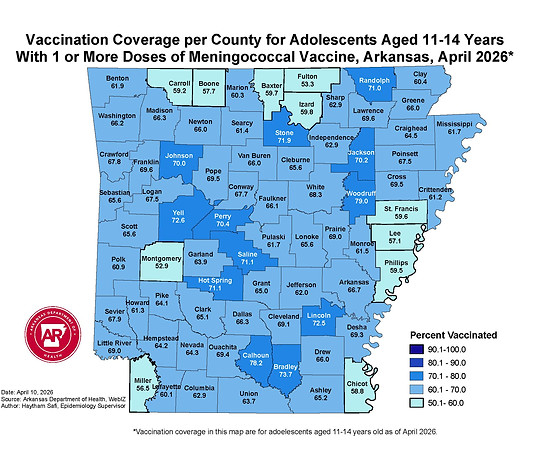


What is your school district's immunization exemption rate?
Knowing your school district's immunization exemption rate directly affects the health and safety of students and the community.
Step 1: Go to the Arkansas Department of Education website
Step 2: Choose "Students"
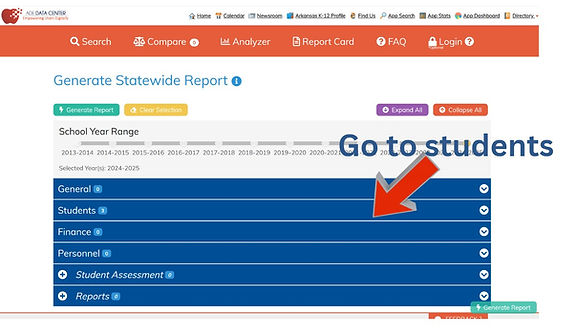
Step 3: Scroll down the page to Immunization Exemptions

Step 4: Hit generate report in the bottom right corner of the page

Step 5: Locate your school district
